Doctor Reveals Why Killing Certain Mouth Bacteria May Be Weakening Your Teeth — And What Over 150,000 People Are Doing Instead
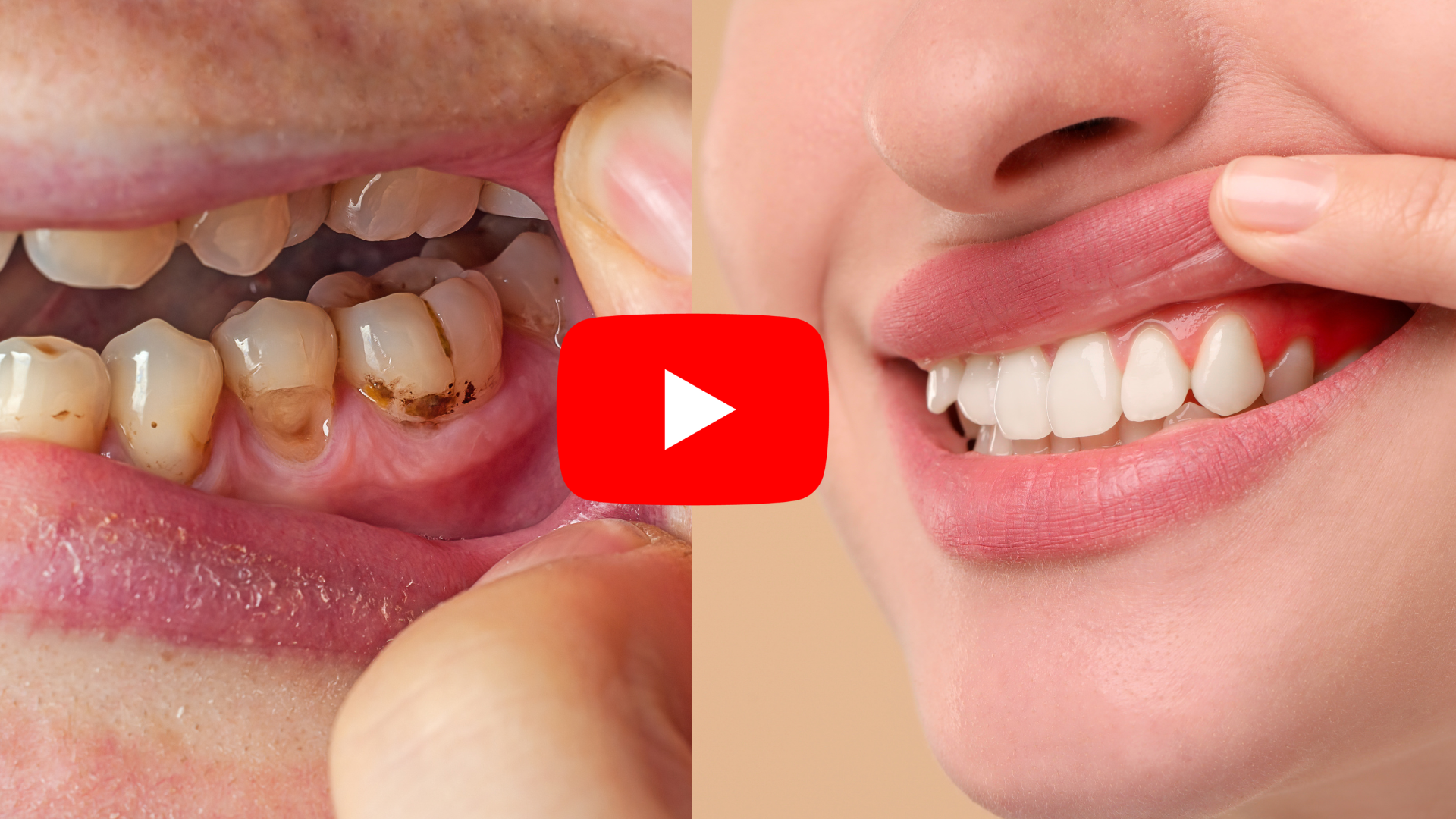
DISCOVER WHY YOUR DAILY ORAL CARE ROUTINE MAY BE WORKING AGAINST YOU
You brush every day. You use mouthwash. You go to the dentist. Maybe you’ve already tried deep cleanings, antibiotics, or spent a small fortune just trying to keep your mouth healthy.
And yet your gums still feel tender. They may bleed from time to time. Bad breath keeps coming back. And there’s that nagging feeling that your teeth just aren’t as strong as they used to be.
That’s the frustrating part: you feel like you’re doing everything right. So why does the problem keep coming back out of nowhere?
After a while, it stops being just about how your smile looks. Bleeding gums, discomfort, and bad breath can start affecting the way you talk, smile, and even get close to the people you care about.
And once you start worrying about loose teeth, expensive procedures, or dental implants, what seemed like a small issue can suddenly become something you think about every single day.
According to a doctor with more than 30 years of experience featured in a presentation that’s been getting attention, the real problem may not simply be poor hygiene, genetics, age, or the fact that you “didn’t take care of your teeth well enough.”
The explanation in the presentation is much more surprising: some of the habits and products people use to kill harmful bacteria may also disrupt the natural balance of the oral microbiome by wiping out beneficial bacteria at the same time.
And that’s something most people are never told when they sit down in a dentist’s chair.
The investigation started with a strange question: how can teeth that are thousands of years old remain remarkably well preserved outside the mouth, while modern teeth can deteriorate even when someone brushes every single day?
That question led the doctor to research the oral microbiome, including work connected to researchers in Spain and studies cited from institutions in the United States, Brazil, and New Zealand.
The idea presented in the video is surprisingly simple: instead of constantly trying to wipe out every unwanted microbe, it may be more important to rebuild the environment inside your mouth and support specific strains of beneficial bacteria right where they’re needed.
But there’s one unusual catch.
According to the presentation, these bacteria need to come into contact with saliva in a very specific way in order to avoid one of the biggest problems with ordinary probiotics.
That’s the part most people have never heard before — and the video breaks it down step by step.
The presentation claims this approach has already been used by more than 150,000 people. It also references research involving one of the bacterial strains discussed, including more than 220 clinical studies and approximately 19,000 participants across those studies.
One case featured in the presentation involves a 54-year-old man dealing with severe gum problems, bad breath, and teeth that had become noticeably weak. According to his story, after following the method explained in the video, he began noticing less bleeding, fresher breath, and teeth that felt firmer.
Other stories in the presentation include people ages 48, 52, 61, and 67 who described improvements in mouth comfort, confidence when smiling, and less constant worry about expensive dental work.
These are individual experiences, and results can vary from person to person.
If you’ve already tried taking better care of your teeth, switching products, or going through treatments only to feel like you’re temporarily managing the problem, this may be worth seeing before you decide what to do next.
The video explains the full oral microbiome theory, shows which bacteria are involved, and reveals the unusual method being used to try to restore that balance.
Access to the presentation may change depending on page availability, so if this sounds relevant to you, it’s worth watching while it’s still available.
Copyright © 2024 Health Pro News LLC – All Rights Reserved
This site and the products and services offered on this site are not associated, affiliated, endorsed, or sponsored by Clickbank, nor have they been reviewed, tested, or certified by Clickbank.